
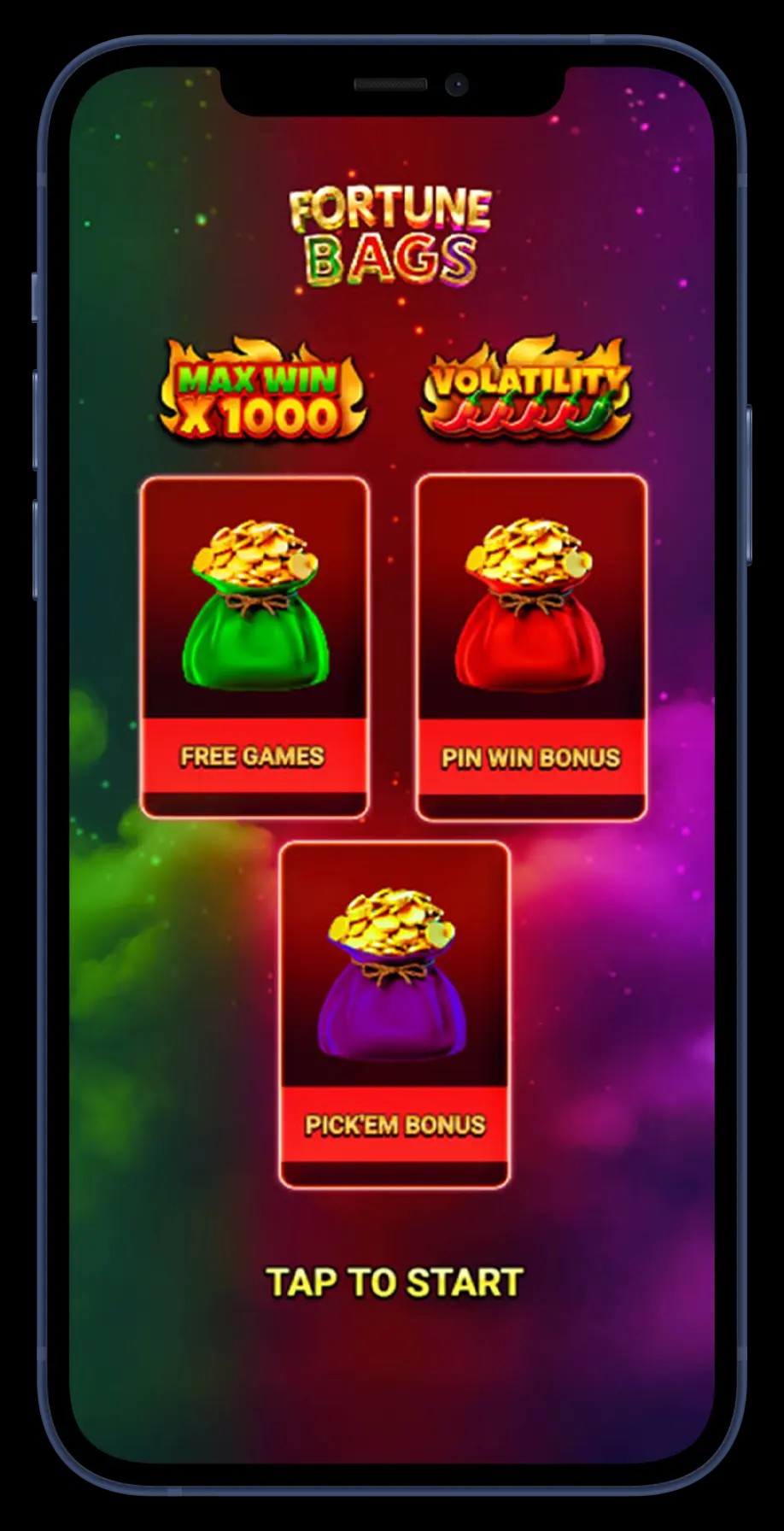





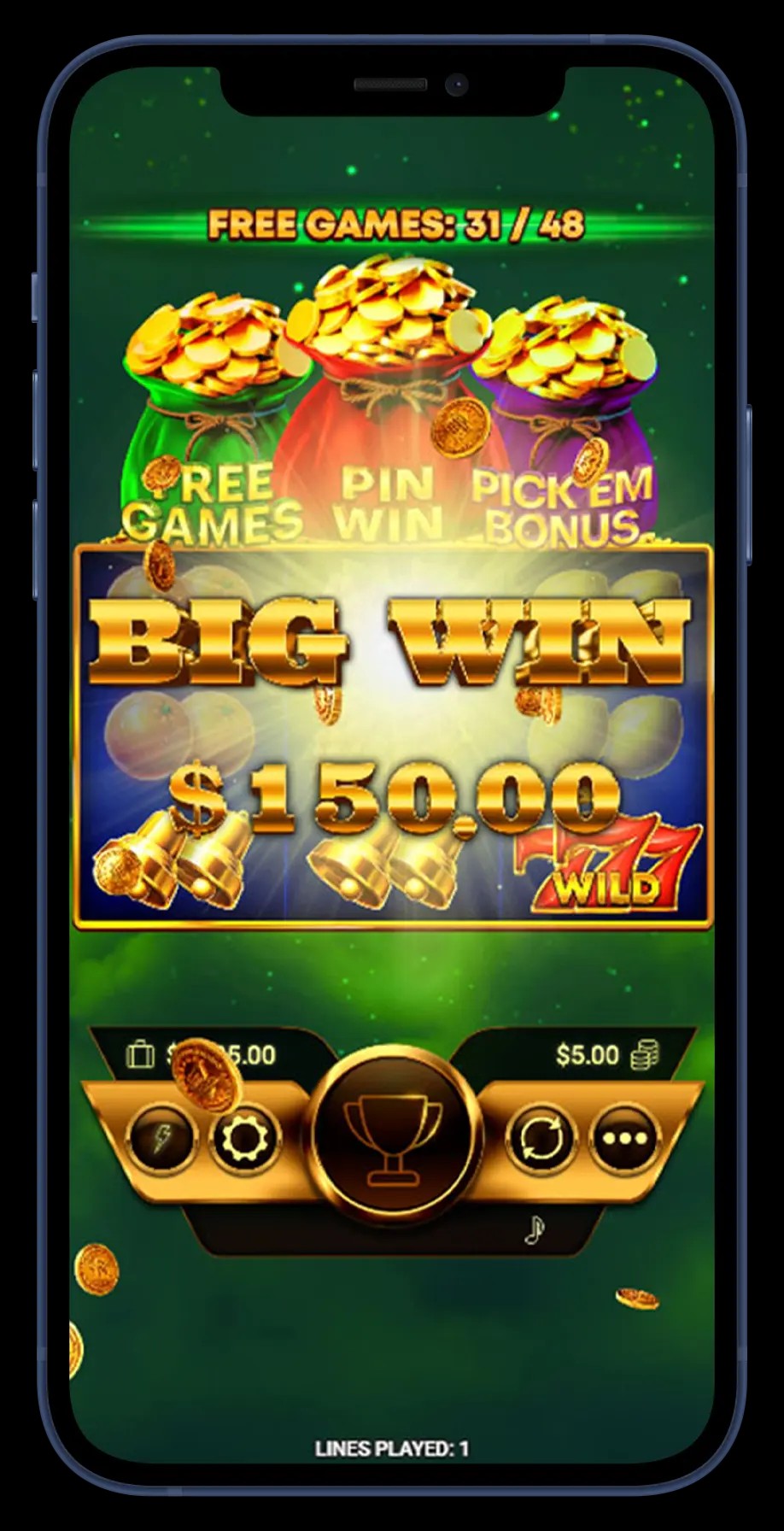
Mobile, Desktop, and Technical Choices
Imagine you're playing on mobile on the go, and everything feels faster and more intense than at home. It's often not about the game, but about the environment. On mobile, you get more distracted, and on PC, sessions often become longer. Test both, and choose the platform where you maintain the best control.
Keep your setup tidy: updated device, stable internet, and fewer apps in the background. If the technology annoys you, you become more impatient, and impatience leads to poorer choices.
Stability, Data, and Battery
Imagine the power is low and the network is lagging, and you notice you're pressing faster. That's a bad combination. Play when you have a stable connection and enough battery, and take short sessions if you're out. If you have to switch networks in the middle of a session, stop and continue later.
Many gain better control when they set a simple rule: no payment steps when they are on the go. This reduces the risk of errors and stress.
Notifications, Sound, and Gaming Environment
Imagine you receive five messages while playing and lose your focus. Turn off notifications before you start, and consider low volume or no sound if it calms you. Small adjustments often have a big impact on focus.
Also, choose your time carefully. Late at night, you are often tired, making it easier to break your own rules. Short sessions with a fixed end point are a simple compromise.
Troubleshooting When Something Hangs
Imagine your screen freezes and you get annoyed. Don't click blindly. Refresh, close and open again, restart your device, and try another browser if you have to. Note what happened and when, so you can explain it clearly if you need help.
When you handle errors calmly, you prevent irritation from fueling more rounds. It sounds minor, but it's an important skill.
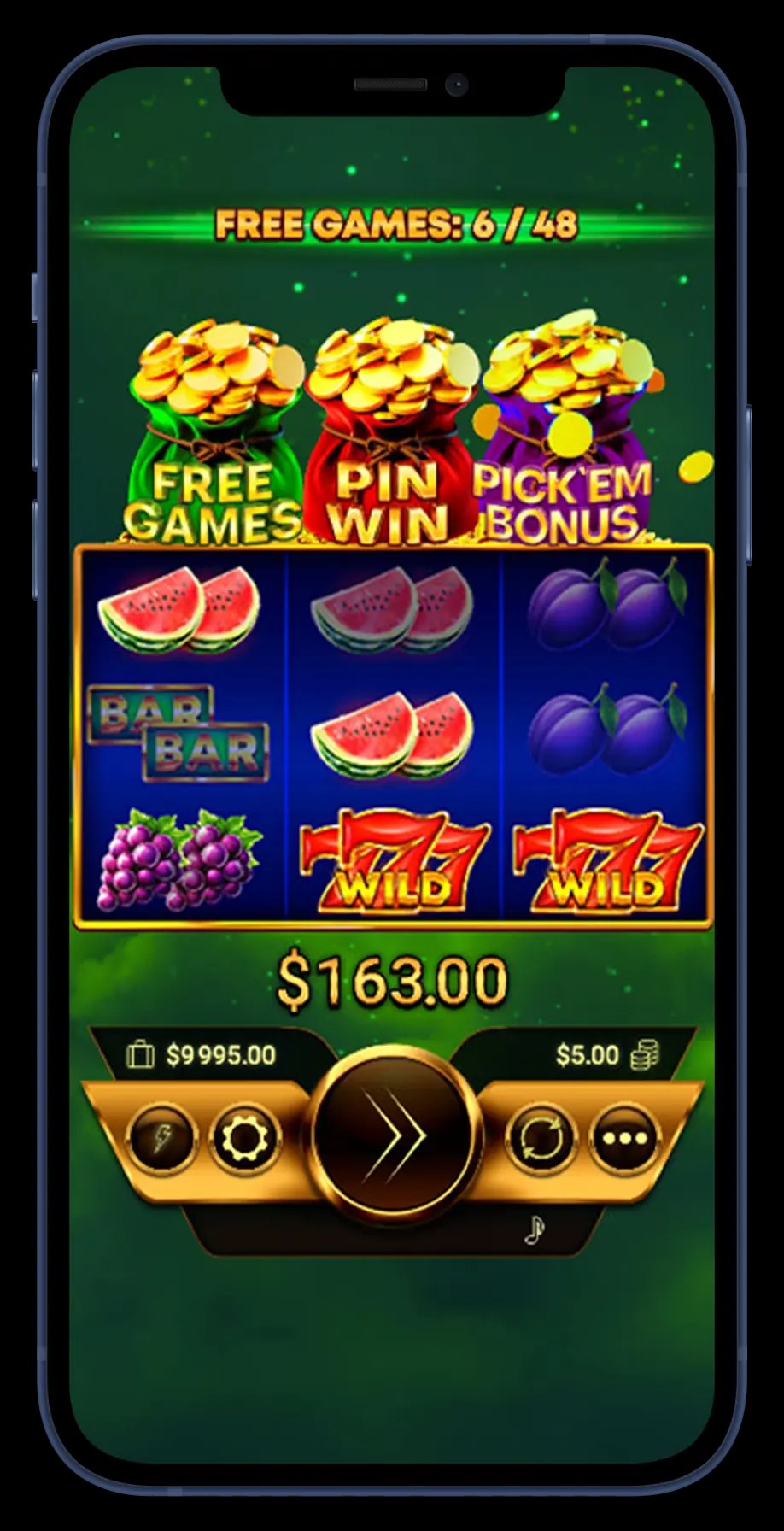
Responsible Gaming And Clear Boundaries
Imagine you start for fun, but after a while, you mostly play to keep the feeling going. Here, system is more important than willpower. Set limits before you start, and use breaks as part of your plan. In Norway, 18+ is a fixed framework, and it's wise to play only when you are calm enough to follow your own rules.
Limits That Actually Stick
Imagine you set a limit so high that you never notice it. Then it doesn't protect you. Instead, set a session budget and a time frame that suits your daily life, and make them a little stricter than you think you need. It's often easier to adjust later than to regret a session that was too long.
Keep the rules few: one budget limit, one time limit, and one stop signal. The simpler, the greater the chance that you actually follow it.
Reality Checks And Short Breaks
Imagine you look up and an hour is gone. Reality checks are made for exactly that moment. Use reminders that break the flow, and take a break in the middle of the session to assess whether you are still playing out of desire or out of habit.
A break doesn't have to be long. Five minutes is often enough for you to feel the difference between entertainment and autopilot. If you still want to play after the break and the plan is still valid, you can continue with peace of mind.
Timeout And Self-Exclusion When You Need It
Imagine you notice that you're playing to relieve stress, or that you can't stop when you've decided to. Timeout is a practical tool that removes the choice in the moment. Choose a break long enough for you to actually calm down, not just "a little".
If the pattern repeats, a longer exclusion period might be appropriate. It's not about punishment, but about giving yourself space to make good choices without pressure.
When You Should Talk To Someone
Imagine you think about gaming when you're not playing, or that you hide how much time you spend. These are signs that you should stop and get support. Many start with a trusted person, or with health professionals, to get structure and help with setting boundaries.
Combine conversation with concrete measures such as stricter limits or a longer break. It is often more effective than "promising yourself" to be stricter next time.
Summary For An Organized Session
Imagine you want to finish and feel like you were in control all the way. Start calmly, read the rules early, play in short blocks, and end when your finish line comes. If your mood changes, take a break before making new decisions. This way, Fortune Bags becomes an activity you control, not something that controls you.
Next Steps After The Test Phase
Imagine you have tried enough to know if the rhythm suits you. Then you can proceed with small steps: set a budget, set a time frame, choose a payment method you understand, and stick to 18+ in Norway. If you notice that you often negotiate with yourself, use timeout early. It is the easiest way to keep gaming safer in everyday life.
FAQ
How do I start safely as a new player?
Start with a short test session and decide in advance how long you will play. Imagine you are trying a new activity - you want to understand it before you speed up. Find the rules, find the stake control, and mute notifications so you don't click on autopilot. When you finish while still having an overview, you are already playing in a safer way.
What limits should I set before making a deposit?
Set a session budget, a clear time frame, and a stop signal for losses or irritation. Imagine the budget is the price of a ticket - once it's used, the session is over. Keep the limits realistic, otherwise you won't follow them. And remember that 18+ always applies in Norway.
What do I do if I am tempted to chase losses?
Stop the session immediately and take a break long enough for the stress to subside. If you think "just a little more", it's often emotion controlling you. Change activity, go for a walk, or do something that breaks the pattern. If this happens often, use timeout or a longer exclusion so you cannot continue in the moment.
How do I play better on mobile without distractions?
Mute notifications, close background apps, and play in short sessions with a fixed end point. Imagine you are out among people - it becomes easier to lose focus and tap incorrectly. Ensure a stable network and enough battery, and stop if the technology annoys you. Calmness leads to better decisions.
When should I contact customer support?
Contact customer support when something is unclear regarding your account, payment, or technical errors, and be specific. Note the time, device, and what happened right before the problem occurred. Short facts provide quicker help than long explanations. And don't try to solve everything with quick clicks when you are frustrated.
What is the difference between timeout and longer exclusion?
Timeout is a temporary break that locks access for a shorter period, while a longer exclusion provides more distance when you need it. Imagine you want to completely remove the temptation during a difficult week - then a longer exclusion might be better. Both tools are about control, not about guilt. Choose what suits your situation.
How do I know when I should stop for the day?
If you can't explain why you're still playing, or you notice irritation and haste, it's a clear stop sign. Imagine you continue just to "turn things around" - that's rarely a good idea. End the session, take a break, and only come back if you still want to play within your plan and limits.